|
|
SADAIC
Music
Marina Alessio at Galería Casa Proyecto.
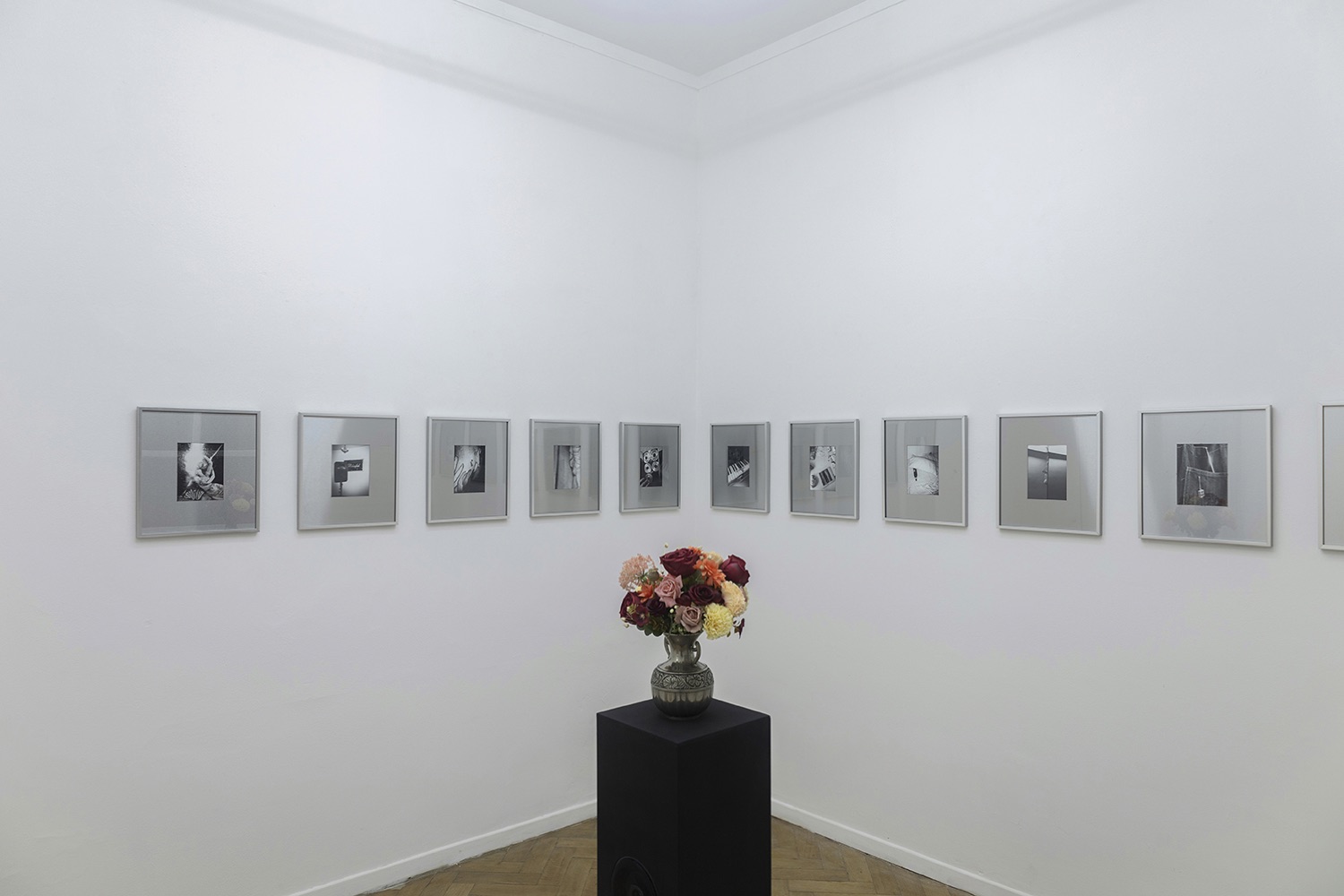
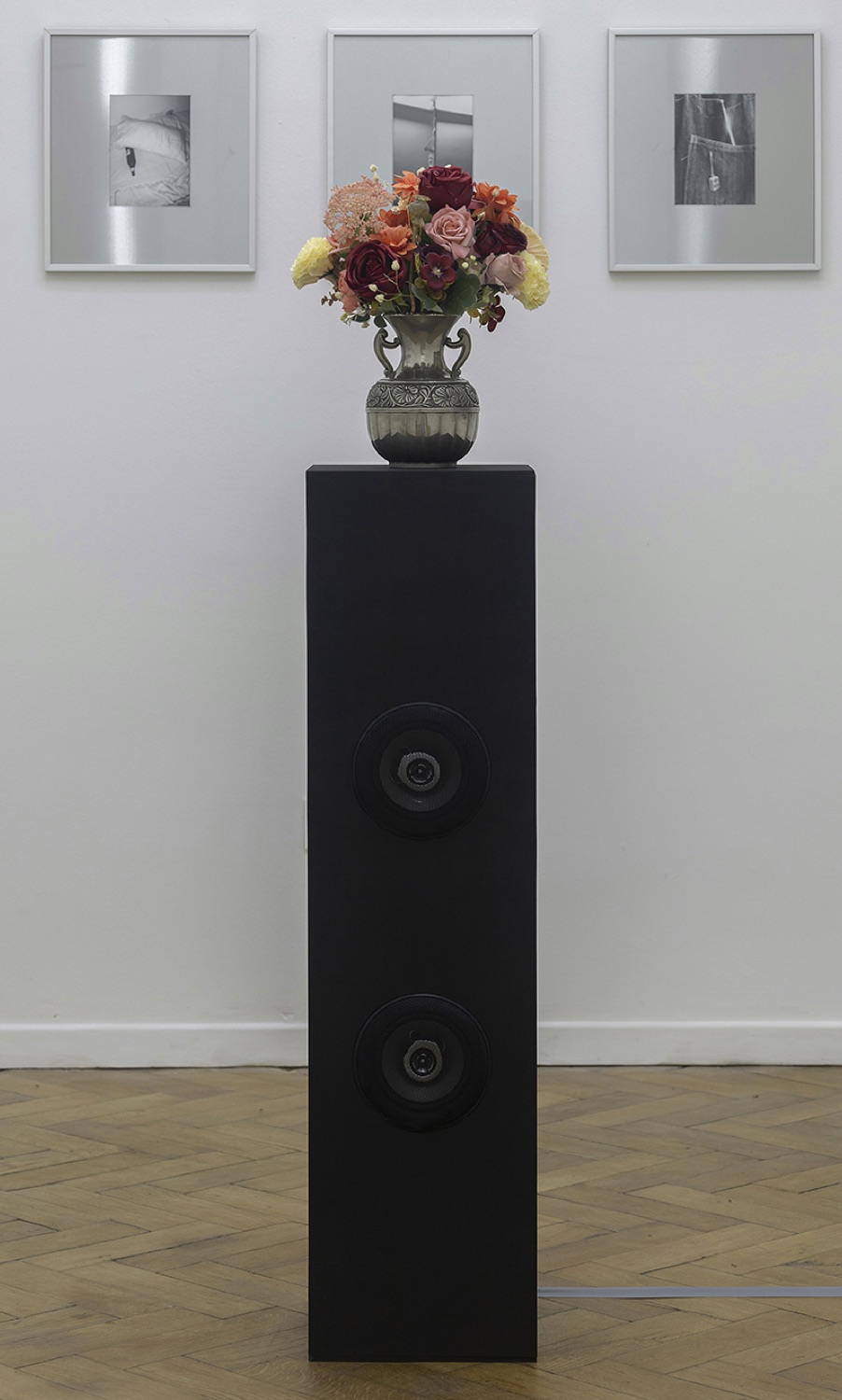
When photography was invented, many theorists and exegetes said that, unlike any of the other arts, a photograph both promised and fulfilled that promise. Reality, naturalism, truth, and the moment pressed tightly together. Above all, one must be grateful for such innocence, as it provided a final push for art, contrary to that enthusiasm, to become and do anything, whatever artists desire. A few decades later, with mirror games like the ones in the portrait of Lucio V. Mansilla in his later years, the montage techniques of the unconscious, with the images perpetrated by the surrealists, and the very compressed prophecies of Walter Benjamin, photography freed itself from its prison. With color came pop, without black and white driving it out, and so on. Marina's photographs emerge from all of this, combined with the fact that the Buenos Aires of her youth had, like any great metropolis, a particular affection for photography, its dissemination, and its new reach, from Horacio Coppola to Alberto Goldenstein, from Annemarie Heinrich to Sergio De Loof. With phone cameras everything changed, though in truth, I'm not really sure what changed. In any case, it is both useless and tedious to close any circle when speaking of aesthetics. The photographs in this exhibition were taken in certain parts of the city's interiors: basements, workshops, waiting rooms, books, catalogs of universal exhibitions, apartments, and rooms of the Museo Nacional de Bellas Artes. All together, they resemble a tango orchestra, to which joins a doorman driven to share unofficial information about the living dead, if not ghosts. Thus, the frequency we do not hear because it only reveals itself visually, is a part of the tape of a suite composed for Buenos Aires played in reverse. Piazzolla composed his Cuatro Estaciones Porteñas and this work could belong to a fifth season: the phantom season of climates. The music ghosts listen to as they entertain themselves with the alchemy of the arts. «Surrender», the song by Suicide that Marina and Ulises Conti recomposed and extended to the point of agony, is not an example but part of these conjectures, because it does not surrender falsely, it surrenders to love and to the attempt, which is another way of giving oneself to keep going. SADAIC is not only the title of this exhibition, nor merely a pre postmodern building where musicians go to file paperwork to register their works and, who knows, maybe make it with the royalties of their compositions. For family reasons, every six months Marina receives some amount of money, which are the transformed echo of the melodies and lyrics her father invented; it also grants her health coverage. As a result, SADAIC administers her only inheritance. Thinking about other kinds of inheritance, bourgeois or blue blooded, the sociologist Émile Durkheim proposed, at the end of the 19th century, abolishing inheritance as a right so that each generation might begin from an equal starting point. The argument never went beyond the line in which it was written. Had the initiative taken hold, inheritance as such would still persist, because ghosts, too, are inheritances. The strangest kind, appearing at any moment. The whole discussion with photography at the center has always faced the problem of the soul threatening the permanence of opinions against, in favor of, or abstracted. The damaged piano from the photograph of the damaged piano is a ghost, a fetish object, and a part of Marina's inheritance, but she does not have it in her home. It is like art not being a sensation, but a contribution to a sensation. I cannot tell whether the plastic flowers pose a question about this last thing, so the representation of life may also be the one that tells us that, for better or worse, each and every one of us will die. That things began long ago without us, and will continue without us for much longer. Juan Laxaguerborde. |
||